Gabriel G Tabarani
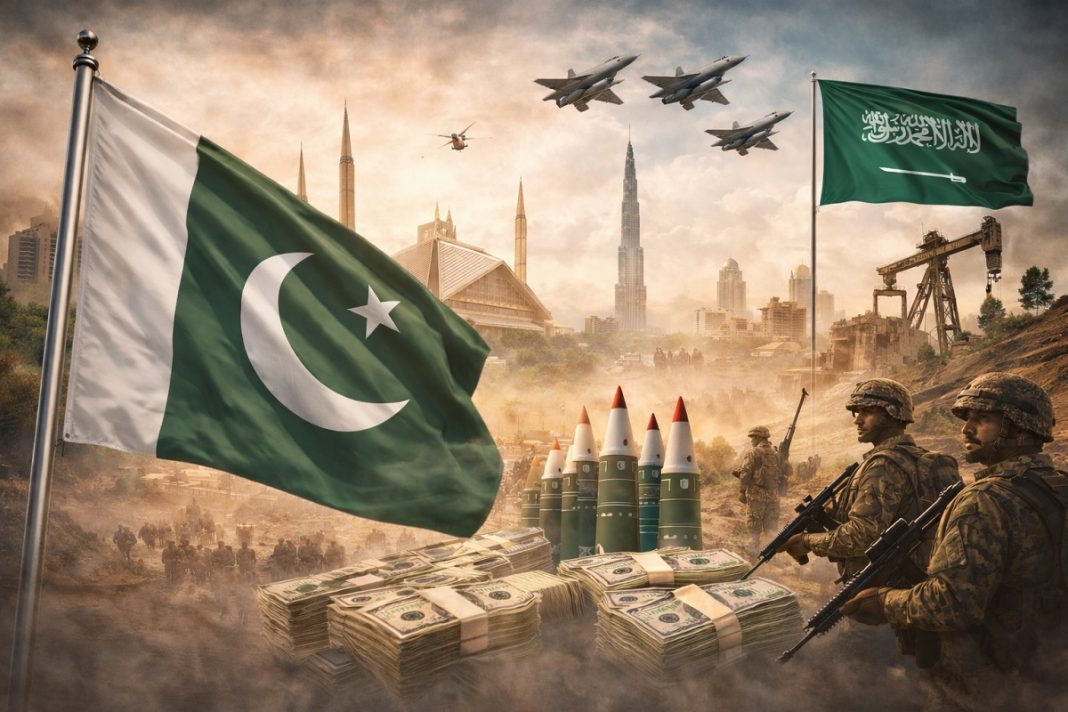
Pakistan is quietly but decisively expanding its footprint in the Middle East and North Africa, signaling a shift from long-standing caution to a more assertive regional posture. Recent arms deals, security partnerships, and diplomatic overtures suggest that Islamabad sees opportunity in a region preoccupied by conflict and strategic realignment. Yet this growing engagement also carries risks that could test Pakistan’s traditional strategy of balancing influence while avoiding entanglement.
Last week, reports that Pakistan is nearing completion of a $1.5 billion weapons deal with Sudan underscored the scale of this push. The agreement follows earlier revelations of a far larger arms package under negotiation with Libya’s eastern-based authorities and comes alongside talks with Saudi Arabia on expanded defense cooperation. Islamabad recently formalized a mutual defense treaty with Riyadh, and there are indications that Turkey—another close partner—may eventually join this framework. Pakistan has also expressed interest in contributing to an international stabilization mission in Gaza, further broadening the scope of its regional engagement.
These moves reflect a calculated attempt by Pakistan to assert its strategic relevance at a moment when global attention is firmly fixed on the Middle East. With conflicts in Gaza, Sudan, and Libya reshaping regional alignments, Islamabad is leveraging its geographic proximity, military credentials, and long-standing ties with Gulf states to present itself as a credible security partner.
Several motivations appear to be driving this outreach. Pakistan’s interest in Gaza, for example, likely reflects a desire to strengthen ties with Washington by positioning itself as a responsible stakeholder in regional stability. Arms deals, particularly those involving fighter aircraft, aim to capitalize on the Pakistan Air Force’s enhanced reputation following its performance in last year’s confrontation with India. At the same time, Islamabad may see the Middle East as a space to counter India’s growing diplomatic and economic influence, especially as Pakistan struggles to forge deeper partnerships in its immediate neighborhood.
There is also a domestic dimension. Defense exports promise economic benefits for a country under severe fiscal strain, while high-profile international engagements allow Pakistan’s leadership to project confidence and relevance abroad. Together, these factors help explain why Islamabad appears more willing than in the past to accept the political and strategic costs of deeper involvement in a volatile region.
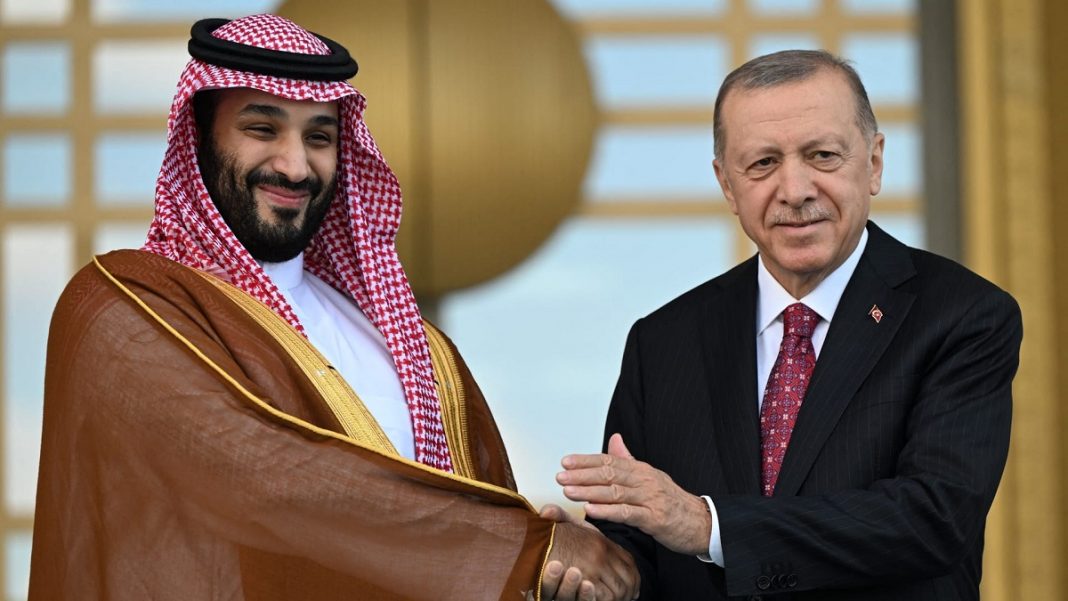
Still, the risks are substantial. Pakistan has long prided itself on maintaining working relations across rival blocs in the Middle East, particularly between Saudi Arabia and the United Arab Emirates. Arms transfers to Sudan, however, could draw Islamabad into the fault lines of a civil war where regional powers have competing interests. Similarly, efforts to bring Turkey into a Pakistan–Saudi defense arrangement carry their own complications. Ankara and Riyadh have supported opposing sides in Libya, and although Turkey has recently signaled a shift toward engagement with eastern Libyan actors, mistrust remains.
Another pillar of Pakistan’s Middle East strategy is its attempt to act as a diplomatic bridge between the United States and Iran. Islamabad’s quiet mediation efforts last summer, though modest in outcome, were welcomed in Washington and reinforced Pakistan’s image as a pragmatic interlocutor. Some analysts argue that reviving this role could help reduce the risk of military escalation with Iran—an outcome Pakistan has strong incentives to prevent, given its geographic proximity and economic vulnerabilities.
Yet Pakistan’s leverage with Tehran is limited. While bilateral ties have generally remained cordial, the relationship is fragile. A brief military exchange in 2024 exposed unresolved tensions over cross-border militancy and mutual distrust. Pakistan’s close alignment with Saudi Arabia, combined with its efforts to rebuild relations with Washington, is unlikely to sit comfortably with Iranian policymakers. This constrains Islamabad’s ability to play the role of neutral mediator it often aspires to.
Historically, Pakistan has sought to insulate itself from Middle Eastern instability while protecting its significant interests in the region, including trade, energy ties, and the welfare of millions of expatriate workers in the Gulf. Its current strategy represents a departure from that cautious posture. By presenting itself as an emerging net security provider, Pakistan is accepting greater exposure to the region’s rivalries and conflicts.
Whether this gamble pays off will depend on Islamabad’s ability to balance ambition with restraint. Pakistan faces persistent security challenges at home, strained relations with India and Afghanistan, and a fragile economic recovery. New entanglements abroad—particularly in a region as combustible as the Middle East—could stretch its diplomatic and military resources thin.
For now, Pakistan’s Middle East play reflects confidence in its strategic value and military capabilities. But as its footprint grows, so too will the costs of miscalculation. Managing those risks will determine whether Islamabad’s regional outreach enhances its standing—or leaves it caught in conflicts it can neither control nor afford.
This article was originally published in Arabic on the Asswak Al-Arab website